Fluid Level Sensors

Optical Fluid Level Sensing

Monitoring fluid levels in tanks, pipes, or open vessels is essential in many industrial, chemical, and environmental systems.

Optical fluid level sensing via fiber optics avoids electrical contact with fluids, making it safe and reliable even in harsh or hazardous environments.
Sensing Methodologies

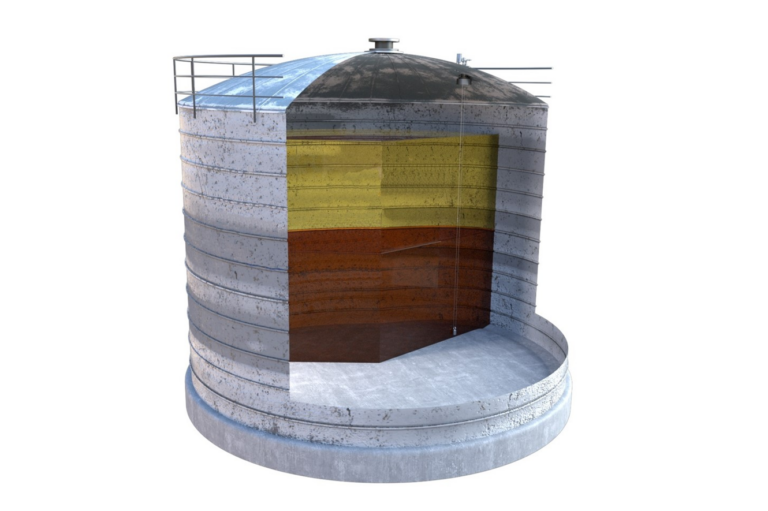
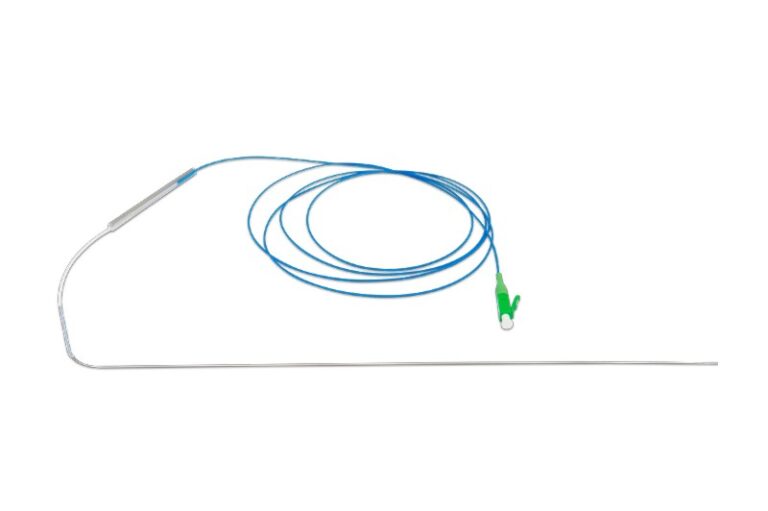
In many cases, fluids will stratify according to temperature in vessels. By installing a FBG optical fiber sensor in the vessel, these temperature stratifications can be measured to provide a spatial indication of the various fluid levels.

This then provides a unique method to determine fluid levels of interest for further analysis/processing.

Key Performance Attributes

  • Chemical inertness: no corrosion or contamination.
  • High spatial resolution: centimetres to millimetres.
  • Customised sensing: high density of measurement in areas of interest.
  • Safety in explosive or high-voltage zones (EMI immunity).
  • Compatibility with aggressive fluids (acids, solvents).
  • Low maintenance, high lifetime in-field.
  • Large temperature capability: from cryogenic temperatures to molten steel temperatures.

Use Environments

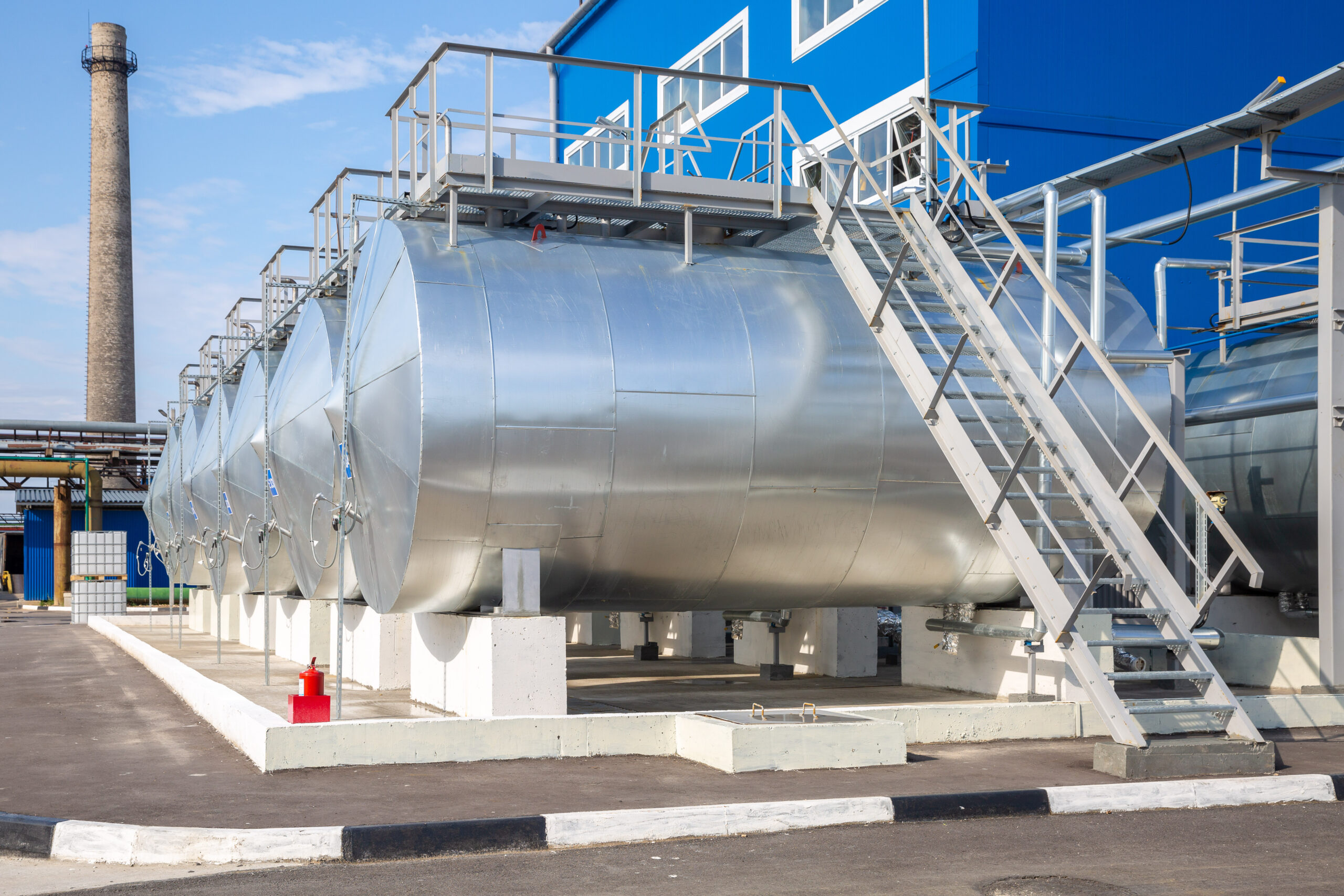
  • Tank monitoring in chemical plants.
  • Level monitoring in fuel bunkers, liquid gas storage tanks.
  • Environmental sensors in lakes, rivers, dams.
  • Mixing processes where stratification matters.

What Sets Proximion Apart

Proximion combines its FBG calibration expertise with fluid optical modelling to design and manufacture bespoke sensors with high sensitivity and linearity across fluid ranges.

The modules integrate easily with multiplexed interrogation units.